Table of Contents
"Additionally, there's no specific order for the phases of grief. Our initial emotional reaction to loss could be anger and anxiety.
And our feelings can come in waves of strength. Lots of people obtain irritated with themselves since they assume they're regreting too long.
It depends on the person, and it depends on the loss. And keep in mind that there's never a time when we're completely "done" with pain; we simply discover how to make adjustments to the loss.
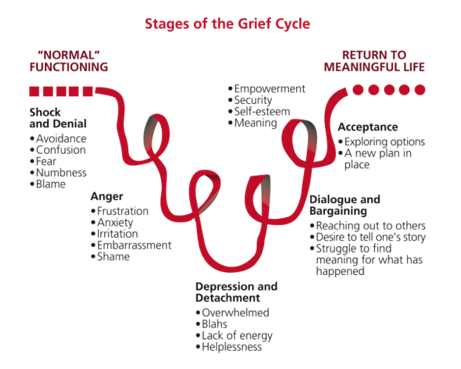
Pain is a challenging process that differs from one person to another. The five phases of pain denial, temper, negotiating, depression, and acceptance are a helpful structure for thinking of pain, but it doesn't imply we'll go via every stage. We can experience these aspects of grief at various times, and they do not take place in one particular order.
Unburdened Self vs. Polished Image: Embracing Your Real Voice Through EMDR Therapy in San Francisco
You just experienced a break up. You lost your task. You're incapable to attain the objective you have actually been functioning toward. Think it or otherwise, all of these are some form of sorrow or the experience of handling loss. As we function our way via experiences like these, we're likely to undergo various stages or emotions from rejection and rage to despair and resentment.
Before we dive into the five stages of despair, it's valuable to recognize what pain is. Just put, pain is the experience of coping with loss.
Sorrow can likewise come from any modifications we experience in life, such as transferring to a brand-new city or institution or transitioning right into a new age group. The fact is that all of us experience a particular degree of sorrow throughout our lives. While some losses are extra intense than others, they are no much less genuine.
How Accomplished Individuals Face Unique Challenges Psychological Health Concerns
Lots of researchers have devoted years to studying loss and the feelings that accompany it. Among these professionals was Elisabeth Kubler-Ross, a Swiss-American psychoanalyst. She talked to over 200 individuals with terminal illnesses and identified 5 usual stages people experience as they face the truths of their approaching death: rejection, temper, negotiating, anxiety, and acceptance.
Although Kubler-Ross's job concentrated on despair responses from people who are dying, a number of these phases can be put on grief throughout any kind of sort of loss. It is essential to note that these stages are not linear, and they're not a prescription. Not everybody experiences every stage, which's fine. We might seem like we approve the loss sometimes and after that transfer to another phase of pain once again.
Emotional Capacity: Strengthening Your Resilience Through EMDR
Likewise, just how much time we invest browsing these phases varies from individual to individual. It might take us hours, months, or longer to refine and heal from a loss. With that said in mind, let's take a closer look at each of the five phases of despair: For several people, denial or claiming the loss or modification isn't happening is typically the very first feedback to loss.
At some point, when we're regreting, we can start the recovery process by allowing the feelings and emotions we've denied to resurface. Many individuals will certainly also experience anger as part of their sorrow. According to Kubler-Ross, pain from a loss is commonly rerouted and shared as rage. To put it simply, temper is a means to hide the lots of emotions and pain that we're carrying as a result of the loss or modification.
Even though our reasonable brain understands they're not responsible, our emotions are intense and can conveniently override reasonable reasoning. We also could blast non-living objects, strangers, buddies, or household members. We may really feel mad at life itself. While we commonly assume that rage is an unfavorable emotion and something to be avoided whatsoever expenses, it in fact serves a purpose and is a required component of recovery.
Negotiating is a stage of grief that aids us hold onto hope during extreme emotional discomfort. It's an attempt to assist us regain control of a situation that has made us really feel unbelievably prone and powerless. It's also an additional means to aid us hold off needing to deal directly with the despair, confusion, or pain.
Building Emotional Safety in IFS for High-Achievers in Your Area
Anxiety is usually compared to the "silent" phase of despair, as it's not as active as the temper and bargaining stages. This can cause intense feelings of despair, anguish, and despondence. Symptoms of anxiety can materialize themselves in various methods. For example, we may feel unclear, heavy, fatigued, baffled or distracted.
In extreme cases, we could be not able or reluctant to obtain out of bed in the early morning. Simply like the other stages of grief, clinical depression is experienced in various means. It's not an indication that something is wrong with us. Instead, it's a natural and appropriate feedback to sorrow.
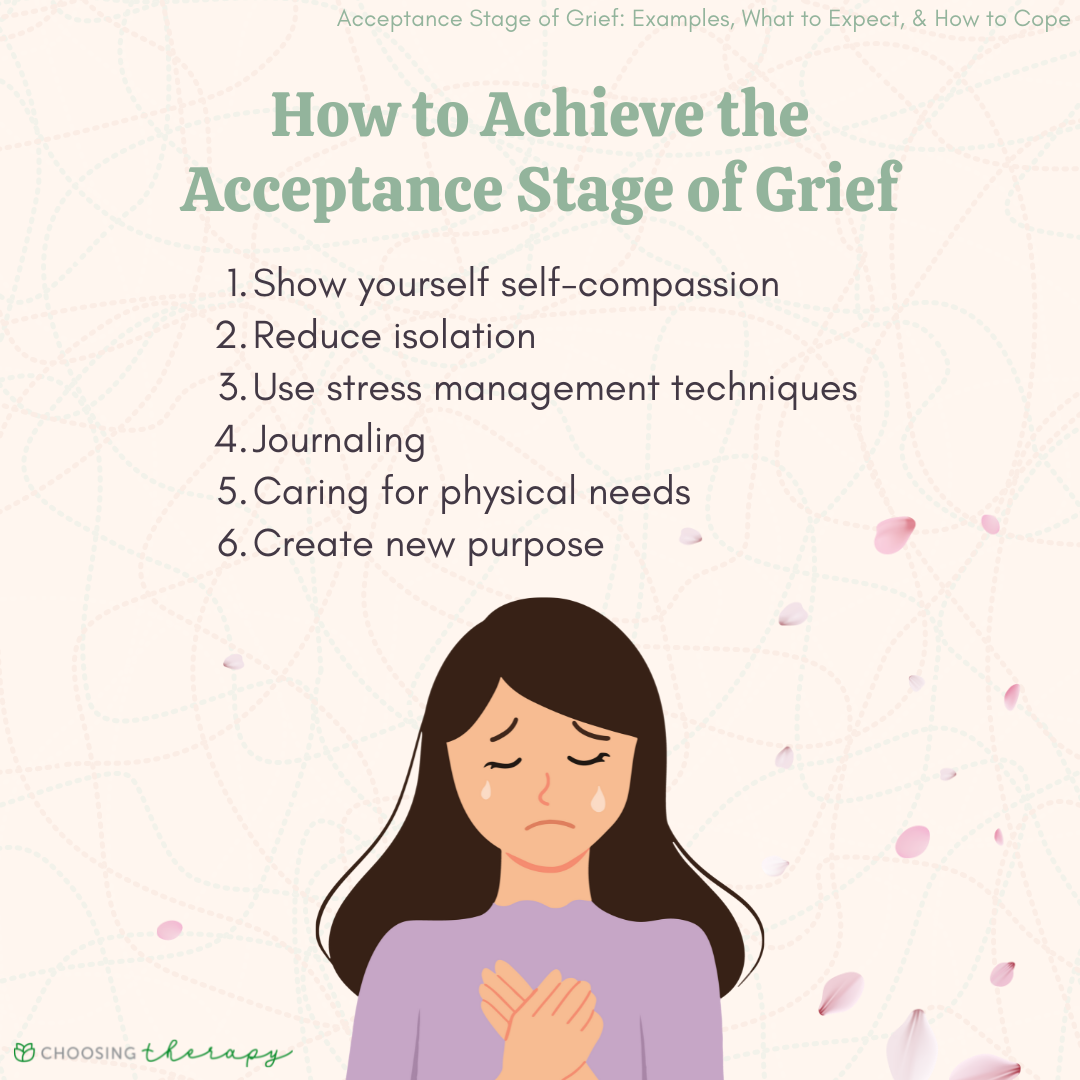
Rather, For circumstances, if we're grieving the death of a liked one, we may be able to reveal our thankfulness for all the fantastic times we spent with them. Or if we're undergoing a break up, we could say something like, "This actually was the very best point for me." In this phase, we could end up being a lot more comfy getting to out to household and buddies, and we might also make new relationships as time takes place.
Below are 3 usual false impressions concerning regreting that we could think when we consider our own or someone else's method of grieving: One of one of the most usual false impressions about grieving is that everyone goes with it in the exact same means. However as we've established, regreting is an unique trip that is various for everybody.
Dissociation in Achievement-Oriented Complex PTSD Specialists
"In addition, there's no certain order for the phases of sorrow. Our very first psychological reaction to loss could be anger and anxiety.
And our emotions can come in waves of intensity. Lots of individuals obtain annoyed with themselves due to the fact that they assume they're regreting too long.

Navigation
Latest Posts
Addressing Shame in Parts Work Therapy Therapy
Confronting Intrusive Thoughts with Past Trauma
The Role of Online Comparison on Body Image